Learn more about Motorhome
Motorhomes sit at the crossroads of transport, shelter, and freedom, giving travelers a way to turn the road itself into part of the holiday. They attract families, retirees, remote workers, and first-time explorers because one vehicle can blend beds, a kitchen, storage, and steady mobility. Still, the decision is rarely simple, since size, budget, driving confidence, maintenance, and campsite habits all shape daily comfort. This guide explains the essentials so you can judge the lifestyle with realistic expectations and practical insight.
Understanding the Motorhome: Definitions, Types, and a Clear Outline
At its simplest, a motorhome is a self-propelled vehicle designed to provide both transportation and temporary living space. Unlike a caravan or travel trailer, it does not need a separate tow vehicle, which is one reason it appeals to travelers who want a more direct and self-contained way to travel. Depending on where you live, the terminology may vary. In North America, people often talk about Class A, Class B, and Class C motorhomes. In Europe and many other regions, you may hear terms such as A-class, coachbuilt, low-profile, or campervan conversion. The labels differ, but the practical questions remain the same: how much space do you need, how comfortable are you behind the wheel, and what kind of trips do you want to take?
To keep this guide easy to follow, here is the article outline:
- What a motorhome is and which main types exist
- How interior layouts and onboard systems shape comfort
- What drivers should know about handling, safety, and road limits
- How ownership costs compare with renting and occasional use
- How to plan trips, choose campsites, and enjoy life on the road
Class A motorhomes are usually the largest and most residential in feel. Many have expansive lounge areas, large storage compartments, and enough room for extended touring. They can be wonderfully comfortable when parked, but their length, width, and fuel use make them less convenient for urban driving or spontaneous detours. Class B motorhomes are typically based on van bodies. They are compact, easier to park, and often preferred by solo travelers or couples who value mobility over interior space. Class C models sit somewhere in the middle, usually built on a cutaway chassis and often recognized by the sleeping area above the cab. They tend to offer a practical balance between maneuverability and living capacity.
The best motorhome for one traveler can be completely wrong for another. A family with children may value bunk beds, a bigger refrigerator, and a separate dining zone. A couple touring scenic routes for a week may be happier in a smaller van conversion that can fit in standard parking bays. Long-term travelers often care more about fresh water capacity, insulation, solar power, and exterior storage than flashy finishes. This is where realism matters. Brochures sell dreams, but daily use reveals habits. Imagine a rainy evening, a crowded fuel station, or a narrow village lane. Those scenes tell you more about the right motorhome than a showroom ever could.
Motorhomes also vary widely in size, often from around 17 feet to well above 35 feet. That difference affects campsite options, ferry pricing, storage at home, and simple driving confidence. Larger models carry more, but they ask more from the driver. Smaller ones give up some comfort, yet reward you with flexibility. Learning more about motorhomes starts with this basic truth: every advantage arrives paired with a trade-off, and understanding those trade-offs is the foundation of a good decision.
Interior Layouts, Utilities, and the Small Details That Shape Comfort
A motorhome may be bought for movement, but people remember it for how it feels when parked. Interior design matters far more than many beginners expect, because daily comfort comes from dozens of small practical decisions. Where do coats go when it rains? Can one person make coffee while another gets dressed? Is the bed easy to access, or does it need to be rebuilt every evening? These details sound minor in a dealership, yet they become central once you are living in a compact space.
Most motorhome layouts revolve around a few core zones: sleeping, cooking, washing, eating, and storage. Fixed rear beds are popular because they make evenings simpler and free up the lounge for normal use. Drop-down beds save space and allow more daytime seating, but they can limit headroom or nighttime movement. Dinette conversions work well for occasional guests, though rebuilding a bed every day quickly becomes tiring on longer trips. Families may appreciate bunks, while couples often prefer a permanent double or twin-bed arrangement that leaves room to move around independently.
The kitchen is another area where size alone is not the real story. A compact but thoughtfully arranged galley can be more usable than a bigger one with poor workflow. Many motorhomes include a hob, sink, small oven or grill, and fridge, but the practical value lies in counter space, access to drawers, and how safely you can cook while stopped on uneven ground. Bathrooms range from compact wet rooms to split washrooms with separate shower cubicles. A larger bathroom sounds luxurious, yet it also reduces living space elsewhere, so the right choice depends on how often you shower onboard versus using campsite facilities.
Utilities are the hidden machinery of motorhome life. Fresh water tanks, waste tanks, leisure batteries, heating systems, gas storage, and sometimes solar panels all work together to make the vehicle livable away from fixed accommodation. Understanding these systems can prevent frustration. For example:
- Larger water tanks allow longer stays off-grid, but they add weight
- Solar panels help support batteries, but output changes with season and weather
- Diesel or gas heating improves cold-weather comfort, yet it affects operating cost
- Bigger refrigerators are helpful for families, though they consume more power
Storage deserves special attention. Overhead lockers may look generous, but heavy items need low and secure placement to keep driving stable. Exterior garages are useful for chairs, hoses, tools, and sports gear, though they are not limitless. New buyers often overpack because the vehicle feels roomy when empty. After a few trips, many discover that less gear creates a calmer, more functional interior.
In the end, comfort in a motorhome is not about pretending it is a house. It is about a clever balance between compact design and practical living. When the layout matches your habits, the vehicle feels efficient and liberating. When it fights your routine, even a beautiful motorhome can feel cramped by the second day.
Driving, Safety, and the Real Skills Needed on the Road
One of the biggest shifts for first-time motorhome users happens the moment they leave the rental depot or dealership. The vehicle may have a domestic interior, but it still behaves like a large machine with height, weight, and momentum that demand respect. Driving a motorhome is not necessarily difficult, yet it is undeniably different from driving a standard car. The steering can feel slower, the braking distances longer, and the turning circle wider. Crosswinds become more noticeable, especially on exposed roads, bridges, and open motorways.
Motorhomes require drivers to think in three dimensions. Height matters as much as width. Low bridges, height barriers, tight tree-lined lanes, and some fuel stations can quickly become stressful if you are not aware of your measurements. Many experienced owners keep a note of vehicle height, width, overall length, and maximum authorized mass close to the dashboard. That habit may seem simple, but it prevents expensive mistakes. Route planning apps designed for ordinary cars may send a motorhome down unsuitable roads, so specialist navigation tools or manual checks are often safer.
Licensing rules vary by country, and weight can change what type of license is required, so checking local regulations is essential before purchase or travel abroad. Beyond legality, confidence matters. Beginners often benefit from practicing in an empty car park before starting a long trip. Learning how the motorhome reverses, how the mirrors behave, and how far the rear swings on a turn can remove a great deal of anxiety. If the vehicle has a reversing camera, that helps, but it should support awareness rather than replace it.
Safety also depends on how the motorhome is loaded. Uneven weight distribution can affect braking, tire wear, and stability. Heavy items should be secured and stored low whenever possible. Loose objects become dangerous if you stop suddenly. Tire pressure checks, regular servicing, brake inspection, and attention to suspension are not glamorous topics, but they are essential. A motorhome often spends long periods parked, and that can create issues of its own, including battery drain, flat-spotted tires, or unnoticed water ingress.
Several road habits make motorhome travel safer and smoother:
- Leave more following distance than you would in a car
- Reduce speed early when descending hills or entering bends
- Plan fuel stops before the tank becomes low
- Avoid rushed lane changes and give yourself extra room at roundabouts
- Use a spotter when reversing into unfamiliar pitches
There is also a psychological side to driving a motorhome. The best journeys often happen when the driver accepts that progress will be slower. A motorhome invites a different rhythm. You notice lay-bys, viewpoints, and quiet service areas in a way you might ignore in an ordinary car. Once drivers stop trying to force car-like speed from a much larger vehicle, the experience usually becomes more relaxed, more controlled, and much more enjoyable.
Buying, Renting, and Understanding the True Cost of Motorhome Travel
Motorhomes can deliver memorable travel experiences, but they are not a cheap shortcut to unlimited holidays. The financial side deserves careful thinking because the visible purchase price is only part of the story. Whether you buy new, buy used, or rent occasionally, the real cost includes insurance, maintenance, storage, taxes where applicable, cleaning, fuel, campsite fees, and depreciation. Anyone learning about motorhomes should look beyond monthly finance examples and ask what the vehicle will cost over a full year of actual use.
New motorhomes can range from the price of a small car to the price of a house deposit, depending on size, brand, layout, and equipment. Used models offer a lower entry point, but they need careful inspection. Damp problems, poor service history, worn tires, outdated safety systems, and neglected appliances can turn a seemingly affordable vehicle into an expensive project. A professional inspection is often money well spent, especially for buyers with limited technical experience. Rental, by contrast, avoids long-term commitment, though peak-season rates can still be substantial. For many newcomers, renting first is a practical test rather than wasted money, because it helps them identify what layout and size actually suit them.
Fuel is a major running cost, and consumption varies widely with vehicle size, engine, driving style, speed, and terrain. Campsite prices also vary by region and season. Some travelers reduce costs through a mix of official campsites, farm stays, low-cost stopovers, and occasional wild camping where it is legal. Others prefer full-service sites with showers, electrical hook-up, laundry, and family facilities. Neither approach is automatically better; it depends on comfort expectations and travel style.
Here are the main cost areas people often underestimate:
- Annual servicing for both vehicle and habitation systems
- Repairs caused by water ingress, appliance faults, or battery failure
- Secure off-street storage if home parking is not possible
- Replacement of tires based on age as well as tread
- Accessory spending, from leveling ramps to hoses, chairs, and solar upgrades
Ownership makes most sense for people who travel frequently, value spontaneous trips, and have a realistic plan for storage and maintenance. Renting makes more sense for travelers who only go away once or twice a year, want to try different sizes, or prefer predictable short-term spending. There is also an emotional factor. Some owners love preparing the motorhome, stocking it, and keeping it ready like a familiar second home. Others would rather collect a rental, enjoy the trip, and return the keys without worrying about winterization or annual repairs.
Financially, the smartest choice is rarely the one that looks cheapest in a single moment. It is the one that fits your usage pattern over time. A motorhome can be wonderful value if it replaces many hotel stays and supports frequent travel. It can also be an expensive ornament if it sits idle for most of the year. Honest arithmetic is not unromantic; it is what keeps the dream sustainable.
Planning Trips, Campsite Life, and What the Lifestyle Really Feels Like
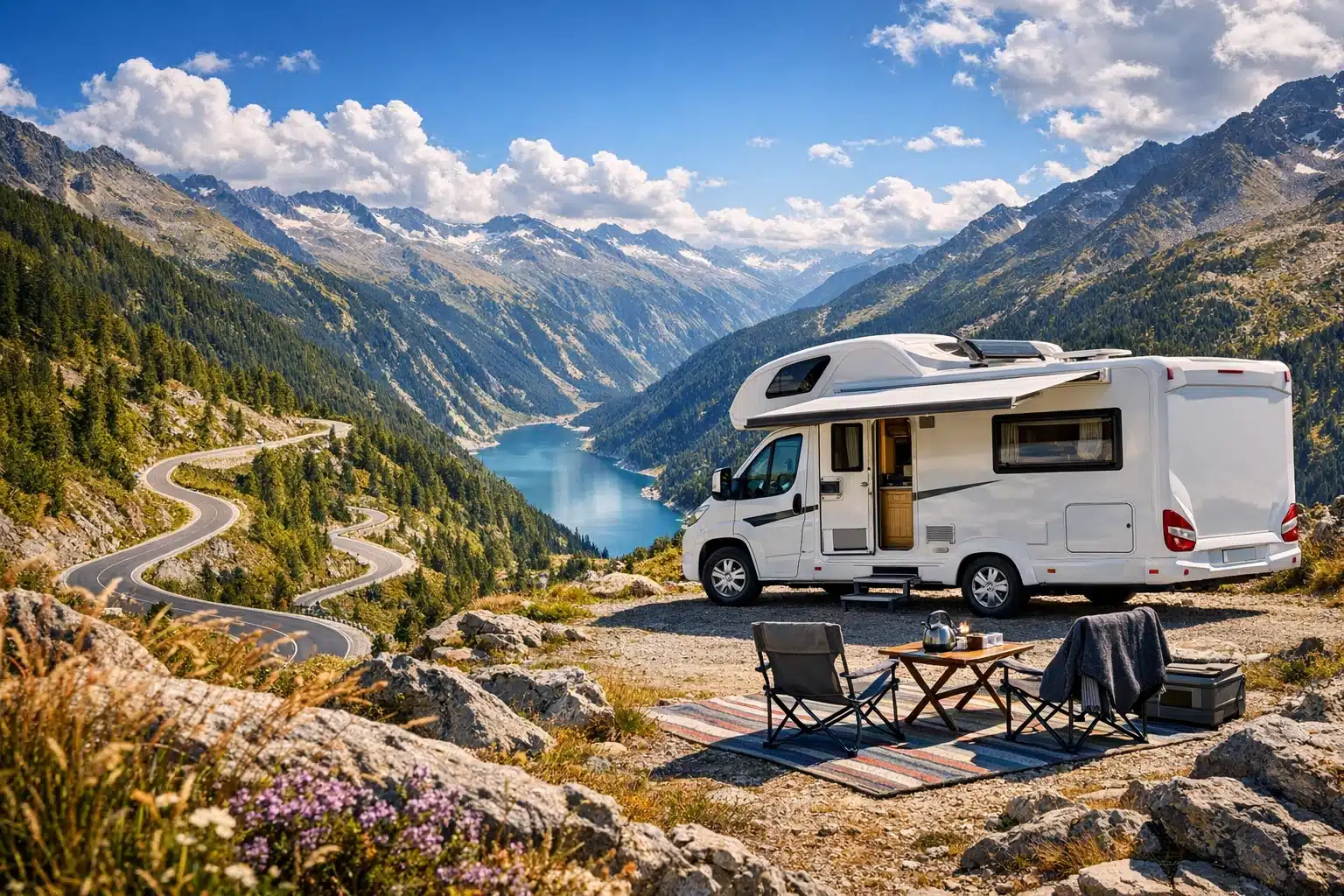
The romance of motorhome travel often begins with an image: sunrise through a side window, coffee on a folding chair, the day ahead unfolding without fixed hotel check-in times. That picture is not false, but it is incomplete. Real motorhome life is a blend of freedom and routine. You gain flexibility, yet you also become responsible for water levels, battery charge, waste disposal, route suitability, and where you will spend the night. The magic lies not in escaping logistics, but in managing them well enough that the journey feels open rather than chaotic.
Trip planning starts with a few basic decisions. How far do you want to drive in a day? Are you aiming for scenic routes or efficient transit? Do you need electrical hook-up for air conditioning, medical devices, or remote work? Are you traveling in peak summer, shoulder season, or cold weather? These questions influence everything from campsite reservations to clothing choices. In very popular areas, booking ahead is wise. In quieter seasons, a looser approach may work. Many experienced travelers mix both methods, securing a few key stops while leaving space for detours.
Campsite etiquette is an underrated part of enjoyable travel. Good neighbors make a stay pleasant, and bad habits are remembered quickly. Arriving late, playing loud music, blocking access roads, or spreading gear across shared space can turn a peaceful site into a tense one. Responsible use of gray water disposal points, fresh water taps, and chemical toilet stations matters too. A motorhome offers independence, but it still operates within shared places and local rules.
Useful planning habits include:
- Checking weather forecasts before mountain or coastal routes
- Confirming whether a pitch is suitable for your length and height
- Traveling with backup water and basic food for late arrivals
- Keeping charging cables, hoses, and adapters organized and accessible
- Knowing the local rules on overnight parking and off-grid stays
The lifestyle itself feels different depending on who is traveling. Families may love the convenience of keeping familiar food, toys, and sleeping arrangements close at hand. Couples often enjoy the ease of waking in a new place without unpacking and repacking each night. Remote workers may appreciate a movable base, though reliable mobile data, power management, and quiet working conditions should never be assumed. Even simple routines, like making tea during a rain shower or reading with the door open on a still evening, can feel unusually satisfying because the environment changes while your small living space remains yours.
Still, motorhome travel is not constant serenity. There are muddy pitches, windy nights, queues at service points, and occasional mechanical worries. Yet those challenges are often part of the appeal. A well-used motorhome teaches adaptability. It encourages slower travel, sharper observation, and a different relationship with distance. The road becomes less of a gap between destinations and more of a place where the trip itself actually happens.
Conclusion for New and Curious Motorhome Travelers
Motorhomes are appealing because they combine movement, shelter, and independence in a way few other travel options can match. They can support weekend escapes, long tours, family holidays, retirement adventures, or even seasonal remote work, but they reward practical thinking more than impulsive buying. The right choice depends on your budget, your confidence as a driver, your comfort needs, and the kind of journeys you truly want to make. For readers considering their first step, the most useful approach is simple: rent if you are unsure, inspect carefully if you plan to buy, and focus on usability rather than image. When expectations are realistic and preparation is sound, a motorhome becomes more than a vehicle. It becomes a flexible travel tool that can make the world feel both larger and more reachable.